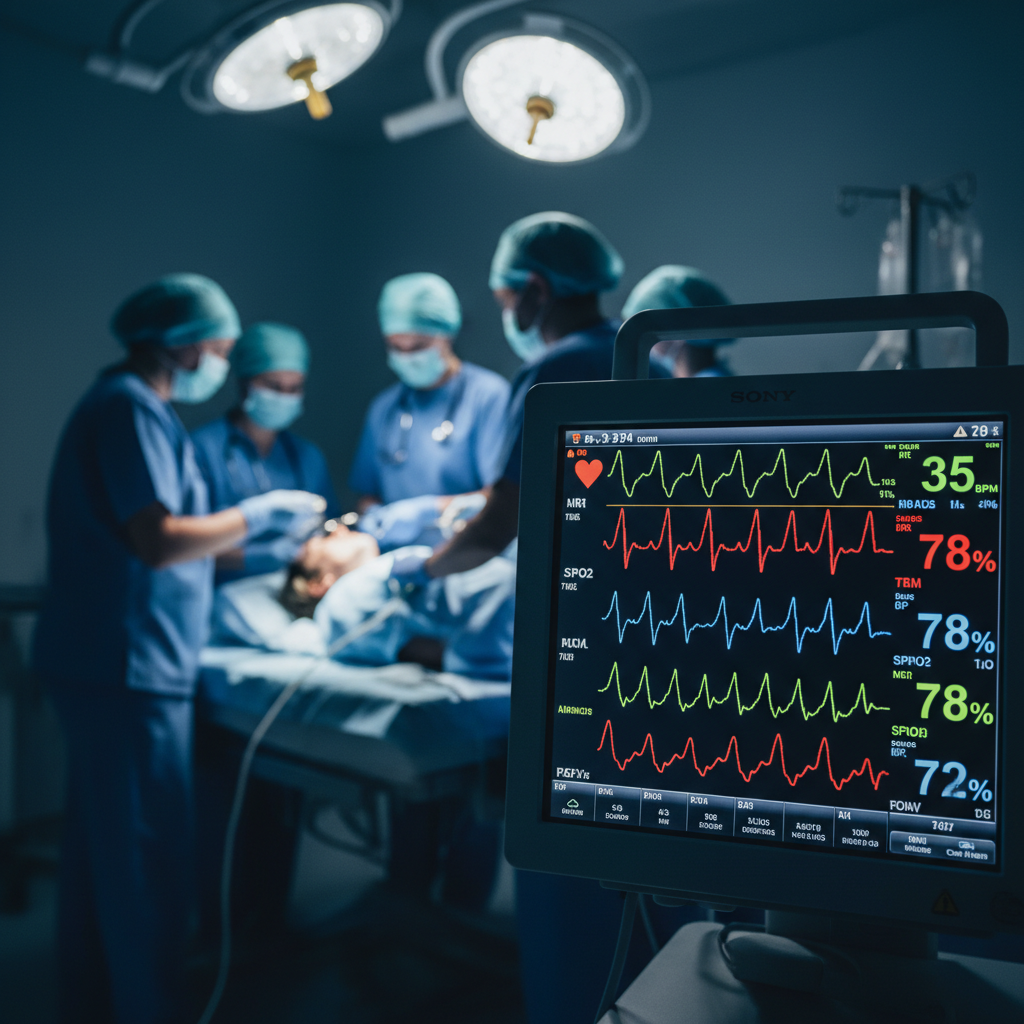
Sepsis: The Medical Emergency Killing More People Than Most Cancers | sepsis symptoms
Sepsis kills more people annually than most cancers, yet remains a 'silent' emergency. Learn the signs, the risks, and the latest 2025 medical data.
Sepsis kills more people annually than most cancers, yet remains a 'silent' emergency. Learn the signs, the risks, and the latest 2025 medical data.
Trending Now
Sepsis: The Medical Emergency Killing More People Than Most Cancers
Key Takeaways
- Sepsis claims approximately 21.4 million lives globally each year, accounting for nearly 1 in every 3 deaths worldwide.
- In the United States alone, 1.7 million adults develop sepsis annually, with 350,000 dying or being discharged to hospice.
- Sepsis is the #1 cause of death in U.S. hospitals, costing the healthcare system over $53 billion annually.
- The T.I.M.E. acronym (Temperature, Infection, Mental decline, Extremely ill) is a proven tool for early identification of sepsis symptoms.
- Cancer patients face a 10x higher risk of developing sepsis due to immune system compromise.
- Survivors often battle post-sepsis syndrome, a constellation of long-term physical, cognitive, and psychological complications.
- Early detection and rapid treatment within the "Golden Hour" can dramatically improve survival outcomes.
1. The Invisible Pandemic of Sepsis
There is a medical emergency unfolding in hospitals, clinics, and homes around the world — one that receives a fraction of the public attention devoted to cancer, heart disease, or stroke. It has no dedicated ribbon color widely recognized by the general public. It rarely trends on social media. Yet every year, it kills more people than prostate cancer, breast cancer, and opioid overdoses combined.
That emergency is sepsis.
Understanding sepsis symptoms — and acting on them swiftly — is not a matter of medical curiosity. It is a matter of survival. Sepsis is indiscriminate, striking newborns and the elderly, healthy athletes and immunocompromised patients, rural communities and urban medical centers. It is, in every measurable sense, a global pandemic hiding in plain sight.
This article examines the science behind sepsis, its devastating mortality statistics, the latest tools for early detection, emerging treatments, and what individuals can do to protect themselves and those they love. The data, as you will see, demands urgency.
2. Defining Sepsis: When an Infection Becomes a Global Threat
Sepsis is not simply a severe infection. It is the body's extreme and dysregulated response to infection — a biological crisis in which the immune system, rather than containing the threat, begins attacking its own tissues and organs.
According to the World Health Organization, sepsis can originate from any type of infection — bacterial, viral, fungal, or parasitic — affecting any part of the body. Common entry points include the lungs (pneumonia), urinary tract, skin wounds, and the gastrointestinal system. What makes sepsis uniquely dangerous is the speed with which it escalates.
When the immune system enters a hyperactivated state, it releases a cascade of inflammatory chemicals into the bloodstream. This systemic inflammatory response disrupts normal physiological processes, impairing blood flow to vital organs. If left unchecked, the result is septic shock — a critical state characterized by a severe drop in blood pressure, organ failure, and, frequently, death.
The clinical progression typically follows three stages:
| Stage | Description | Key Indicators |
|---|---|---|
| Sepsis | Infection triggers systemic immune dysregulation | Fever or hypothermia, elevated heart rate, altered mental state |
| Severe Sepsis | Organ dysfunction begins | Reduced urine output, low platelet count, breathing difficulty |
| Septic Shock | Circulatory collapse despite fluid resuscitation | Critically low blood pressure, multi-organ failure, high mortality |
This escalation can occur within hours, which is precisely why public awareness of sepsis symptoms is so critically important.
3. The Deadly Comparison: Sepsis vs. Cancer Mortality Rates
One of the most striking ways to contextualize the lethality of sepsis is to place it alongside the diseases that dominate public health discourse.
"Globally, sepsis is associated with nearly 1 in every 3 deaths — approximately 21.4 million lives lost annually." — The Lancet Global Health (2025)
That figure alone is staggering. To put it in perspective, the World Health Organization reports that sepsis disproportionately affects low- and middle-income countries, where access to early intervention and intensive care is limited. But even in the United States, one of the most well-resourced healthcare systems in the world, the numbers are alarming.
According to the Centers for Disease Control and Prevention, at least 1.7 million adults develop sepsis in the U.S. each year, resulting in approximately 350,000 deaths or discharges to hospice. One in three people who die in a hospital has sepsis during their hospitalization.
How does this compare to some of the most feared cancers?
| Condition | Estimated Annual U.S. Deaths |
|---|---|
| Sepsis | ~350,000 |
| Lung Cancer | ~125,000 |
| Colorectal Cancer | ~52,000 |
| Breast Cancer | ~42,000 |
| Prostate Cancer | ~35,000 |
| Pancreatic Cancer | ~54,000 |
Sources: CDC, American Cancer Society (2024 estimates)
These numbers reveal a sobering truth: sepsis kills more Americans each year than lung and colorectal cancer combined. Yet research funding, public awareness campaigns, and media coverage dedicated to sepsis remain disproportionately low relative to the scale of the crisis.
4. Recognizing Sepsis Symptoms: The T.I.M.E. Acronym
One of the most powerful tools developed to help non-medical individuals identify sepsis symptoms early is the T.I.M.E. acronym, championed by the Sepsis Alliance. In a condition where every hour without treatment can increase mortality risk, equipping the public with a simple recognition framework is a life-saving intervention in itself.
T — Temperature: An abnormally high fever (above 38.3°C / 101°F) or, counterintuitively, a subnormal temperature (below 36°C / 96.8°F). Both extremes can signal that the body's thermoregulatory system is under siege.
I — Infection: Evidence or suspicion of a recent or active infection — whether a confirmed diagnosis, a wound that appears to be worsening, or an illness that is not improving as expected.
M — Mental Decline: Sudden confusion, disorientation, difficulty speaking, extreme lethargy, or unresponsiveness. This cognitive disruption results from reduced oxygen and blood flow to the brain and is one of the most underrecognized red flags.
E — Extremely Ill: A subjective but powerful signal — an overwhelming sense that something is profoundly wrong. Patients and family members frequently report this feeling before formal clinical markers become apparent.
"If you or a loved one shows signs spelled out by T.I.M.E., do not wait. Call emergency services immediately and say: 'I am concerned this could be sepsis.'" — Sepsis Alliance
Additional warning signs include:
- Rapid breathing (more than 22 breaths per minute)
- Heart rate above 90 beats per minute
- Extreme pain or discomfort
- Clammy or mottled skin
- Significantly reduced urine output
The Sepsis Alliance emphasizes that many sepsis cases are initially misdiagnosed as the flu or other common illnesses. This diagnostic delay is one of the primary drivers of hospital mortality in sepsis cases.
5. Why Cancer Patients Face a Dramatically Higher Risk of Sepsis
The relationship between cancer and sepsis is one of the most clinically significant and underappreciated connections in modern medicine. Cancer patients face a 10-fold increase in the risk of developing sepsis compared to the general population, making it one of the leading causes of cancer-related death — often surpassing the malignancy itself.
Several factors drive this heightened vulnerability:
- Immunosuppression from chemotherapy and radiation: These treatments reduce white blood cell counts, severely impairing the body's first line of defense against infection.
- Surgical procedures and invasive devices: Ports, catheters, and feeding tubes create direct pathways for bacterial and fungal organisms to enter the bloodstream.
- Mucosal barrier breakdown: Chemotherapy frequently damages the mucosal lining of the gastrointestinal tract, allowing gut bacteria to translocate into the bloodstream.
- Malnutrition and weakened systemic immunity: Cancer and its treatments often impair nutritional absorption, further degrading immune function.
- Prolonged hospitalization: Extended hospital stays increase exposure to healthcare-associated pathogens, including antibiotic-resistant strains.
Febrile neutropenia — a dangerous drop in infection-fighting white blood cells accompanied by fever — is the most common sepsis-triggering condition in oncology patients and represents a medical emergency requiring immediate hospitalization and intravenous antibiotic therapy.
For cancer care teams, integrating early sepsis detection protocols into routine oncological practice is not optional — it is an essential component of comprehensive patient safety.
6. The 'Golden Hour': The Narrow Window for Medical Intervention
In emergency medicine, the concept of the "Golden Hour" refers to the critical window immediately following a life-threatening event during which prompt medical intervention yields the highest likelihood of survival. In sepsis, this principle holds with particular force.
Research consistently demonstrates that for every hour of delay in administering antibiotics during septic shock, mortality risk increases by approximately 7%. The standard of care, codified in international sepsis bundles developed by the Surviving Sepsis Campaign, recommends that clinicians complete a specific set of interventions within one to three hours of sepsis recognition:
- Blood cultures obtained before antibiotic administration
- Broad-spectrum intravenous antibiotics initiated immediately
- Intravenous fluid resuscitation for patients with low blood pressure or elevated lactate
- Vasopressors administered if fluid resuscitation fails to restore adequate perfusion pressure
- Lactate measurement to assess tissue oxygenation
The challenge lies in the fact that early sepsis symptoms are frequently nonspecific — they mimic common illnesses such as influenza, urinary tract infections, or gastrointestinal distress. This diagnostic ambiguity delays clinical recognition, which is why the Global Sepsis Alliance has prioritized clinician education and standardized diagnostic criteria as core pillars of its global advocacy mission.
Emergency departments that have implemented structured sepsis alert protocols — including electronic health record algorithms that flag at-risk patients — have demonstrated significant reductions in hospital mortality, underscoring the life-saving potential of systematic, protocol-driven care.
7. Post-Sepsis Syndrome: The Long Road to Recovery for Survivors
Surviving sepsis is not the end of the journey. For a significant proportion of survivors — estimates range from 50% to 70% — the aftermath of sepsis initiates a prolonged and often debilitating condition known as post-sepsis syndrome (PSS).
PSS encompasses a wide spectrum of physical, cognitive, and psychological impairments that can persist for months or years following discharge:
| Domain | Common Post-Sepsis Complications |
|---|---|
| Physical | Chronic fatigue, muscle weakness, joint pain, recurring infections |
| Cognitive | Memory loss, difficulty concentrating, slowed processing speed |
| Psychological | Post-traumatic stress disorder (PTSD), depression, anxiety, panic attacks |
| Functional | Inability to return to work, dependence on caregivers, reduced mobility |
The Sepsis Alliance notes that many PSS patients cycle through repeated hospitalizations in the months following their initial sepsis event, as their compromised immune systems render them highly susceptible to new infections. This cycle contributes substantially to the long-term economic burden of sepsis on both healthcare systems and individual families.
Critically, post-sepsis syndrome remains widely unrecognized by both clinicians and the general public. Many survivors are discharged from hospitals without explicit acknowledgment that they may experience lasting complications, leaving them — and their families — unprepared for the difficult recovery ahead. Advocacy organizations are actively working to change this through survivor support networks, clinical guidelines for post-discharge care, and public awareness campaigns.
8. Cutting-Edge Solutions: AI and Personalized Medicine in 2025
As the medical community grapples with the complexity of sepsis, 2025 is emerging as a landmark year for technological innovation in detection, diagnosis, and treatment.
Artificial intelligence and machine learning algorithms are now being deployed within hospital electronic health record systems to analyze thousands of clinical data points in real time — including vital signs, laboratory values, nursing notes, and medication histories — to predict sepsis onset before overt symptoms develop. Early studies suggest that AI-assisted early warning systems can identify at-risk patients hours earlier than traditional clinical observation, a timeframe that, in sepsis, can mean the difference between recovery and death.
Biomarker research is advancing rapidly. Procalcitonin, lactate, and interleukin-6 are among the biomarkers now used to guide sepsis diagnosis and monitor treatment response. Researchers are actively investigating novel genomic and proteomic signatures that may enable truly personalized treatment protocols — tailoring antibiotic selection, fluid management, and immunomodulatory therapies to the individual patient's inflammatory profile rather than applying a one-size-fits-all approach.
Rapid diagnostic testing platforms capable of identifying causative pathogens and antibiotic resistance patterns within hours — rather than the 48 to 72 hours required by traditional blood culture methods — are also entering clinical practice. This advancement is particularly critical given the growing threat of antimicrobial resistance, which renders standard antibiotic regimens ineffective in an increasing proportion of sepsis cases.
The integration of these technologies into routine clinical workflows represents the most promising frontier in reducing hospital mortality from sepsis in the decade ahead.
9. The Economic Toll: Why Sepsis Is the Costliest Condition in Healthcare
Beyond its human cost, sepsis imposes a staggering financial burden on healthcare systems and national economies.
"Sepsis is the leading cause of death in U.S. hospitals and the most expensive condition to treat, costing over $53 billion annually." — Sepsis Alliance (2025)
This figure encompasses direct costs — intensive care unit stays, mechanical ventilation, vasopressor medications, and prolonged hospitalization — as well as the downstream economic consequences of post-sepsis syndrome, including long-term disability, lost productivity, and repeated readmissions.
A single septic shock hospitalization can generate costs exceeding $100,000, and patients who survive often require months of skilled nursing, rehabilitation, and outpatient care. For uninsured or underinsured patients, these costs can be financially catastrophic, compounding the physical and psychological toll of the condition.
The Sepsis Alliance argues compellingly that investment in prevention, early detection, and survivor support programs represents not only a moral imperative but also a sound economic strategy — one capable of yielding substantial returns in reduced hospitalizations and healthcare expenditures.
10. Prevention Strategies: How to Protect Yourself and Loved Ones
While sepsis cannot always be prevented, evidence-based strategies can meaningfully reduce both the risk of infection and the likelihood that an infection will escalate to sepsis.
For Individuals and Families:
- Vaccinate against preventable infectious diseases, including influenza, pneumococcal pneumonia, and COVID-19, all of which can precipitate sepsis.
- Practice rigorous hand hygiene — consistent handwashing with soap and water remains one of the most effective infection prevention measures available.
- Seek prompt medical attention for infections that are not improving, worsening, or accompanied by the warning signs described in the T.I.M.E. acronym.
- Complete prescribed antibiotic courses to prevent the development of antibiotic-resistant organisms.
- Manage chronic conditions — diabetes, chronic kidney disease, and liver disease significantly elevate sepsis risk and require careful ongoing management.
For Healthcare Institutions:
- Implement and audit sepsis protocols and early warning systems across all clinical departments.
- Train clinical and non-clinical staff to recognize and escalate potential sepsis symptoms promptly.
- Minimize the use of invasive devices and optimize aseptic technique when they are necessary.
- Establish structured post-discharge follow-up for sepsis survivors to monitor for post-sepsis syndrome and reduce readmission rates.
The World Health Organization has identified sepsis as a global health priority and calls on governments worldwide to integrate sepsis prevention into national health strategies, infection control programs, and antimicrobial stewardship initiatives.
11. The Urgent Need for Global Sepsis Awareness
The evidence is unambiguous. Sepsis is one of the deadliest conditions on the planet — and one of the least recognized by the general public. With 21.4 million lives lost globally and 350,000 deaths in the United States alone each year, the case for elevating sepsis to the forefront of public health discourse is overwhelming.
Recognizing sepsis symptoms early, understanding the T.I.M.E. acronym, acting without hesitation when warning signs appear, and demanding that healthcare systems invest in detection, prevention, and survivor care are not abstract policy goals. They are concrete, actionable steps that save lives.
The medical community, public health authorities, and advocacy organizations like the Sepsis Alliance and the Global Sepsis Alliance are working tirelessly to close the awareness gap. But meaningful progress requires engagement from all of us — as patients, caregivers, advocates, and citizens.
Sepsis does not wait. Neither should we.
Sources
- World Health Organization — Sepsis Fact Sheet
- Centers for Disease Control and Prevention — Sepsis
- CDC — Sepsis Data & Reports
- CDC — About Sepsis
- Sepsis Alliance — Fact Sheets & Resources
- Sepsis Alliance — Homepage
- Global Sepsis Alliance
- The Lancet Global Health (2025)
This article was written for informational purposes only and does not constitute medical advice. If you suspect sepsis in yourself or another person, contact emergency medical services immediately.
Advertisement
Frequently Asked Questions
What exactly is sepsis and why is it so dangerous?
Sepsis is a life-threatening condition where the body's immune system overreacts to an infection, leading to tissue damage and organ failure. It is a leading cause of death worldwide, contributing to approximately 11 million deaths annually, which represents 1 in 5 global deaths.
How does the mortality rate of sepsis compare to common cancers?
Sepsis is a major health crisis that causes more deaths annually than many high-profile diseases combined. In the United States, more than 350,000 adults die from sepsis each year, a figure that surpasses the combined death toll of prostate cancer, breast cancer, and AIDS.
What are the 'TIME' warning signs of sepsis?
The acronym TIME helps identify symptoms: T is for Temperature (higher or lower than normal), I is for Infection (signs of a current or recent infection), M is for Mental decline (confusion or sleepiness), and E is for Extremely ill (patients often report a feeling of impending death).
Who is most at risk of developing sepsis?
While sepsis can affect anyone, the most vulnerable populations include adults aged 65 or older, children younger than 1, people with weakened immune systems, and individuals with chronic medical conditions such as diabetes, lung disease, or kidney disease.
Why is immediate medical intervention necessary for sepsis?
Sepsis is a medical emergency where treatment speed determines survival. Clinical data shows that for every hour of delay in administering appropriate antibiotic treatment, the risk of death for a patient in septic shock increases by as much as 8%.
Sponsored
You Might Also Like



Advertisement
Comments (0)
Sign in to join the conversation
No comments yet. Be the first to share your thoughts!