Chronic Kidney Disease: 10 Habits Silently Damaging Your Kidneys | Chr | Chronic Kidney Disease habits
Learn the 10 daily habits silently damaging your kidneys and how to protect your health before symptoms appear. Prevent CKD with these expert tips.
Learn the 10 daily habits silently damaging your kidneys and how to protect your health before symptoms appear. Prevent CKD with these expert tips.
Trending Now
📌 Published on Voxora | Health & Wellness | Estimated Read Time: 11 min
Key Takeaways
- 37 million U.S. adults have CKD — and 90% don't know it
- Everyday habits like popping painkillers, eating processed foods, and skipping sleep are quietly destroying your kidneys
- High sodium diets, excess animal protein, and chronic dehydration all increase your renal risk
- CKD prevention is absolutely possible — but only if you know what to stop doing
- Simple screenings (blood pressure, blood glucose, urine albumin) can catch damage early and save your life
The Silent Epidemic: Why Your Kidneys Are Under Attack
Let's be honest — most of us don't think about our kidneys until something goes wrong. They sit quietly in your lower back, filtering about 200 liters of blood every single day, and they rarely complain until the damage is already done.
That's exactly what makes Chronic Kidney Disease habits so dangerous. You don't feel them working. You don't feel them failing — not at first.
Here's a number that should stop you mid-scroll:
An estimated 37 million U.S. adults — that's 1 in 7 — have chronic kidney disease. And a staggering 90% of them have no idea. (Source: American Kidney Fund)
That's not a typo. Nine out of ten people walking around with damaged kidneys think they're perfectly fine. Meanwhile, globally, kidney-related deaths have risen by over 40% since 1990, making CKD one of the fastest-growing causes of death on the planet. (Science Alert)
The scariest part? Most of the damage comes from habits you probably consider completely normal — things you do every day without a second thought.
So let's break them down. Here are 10 Chronic Kidney Disease habits that could be silently damaging your kidneys right now.
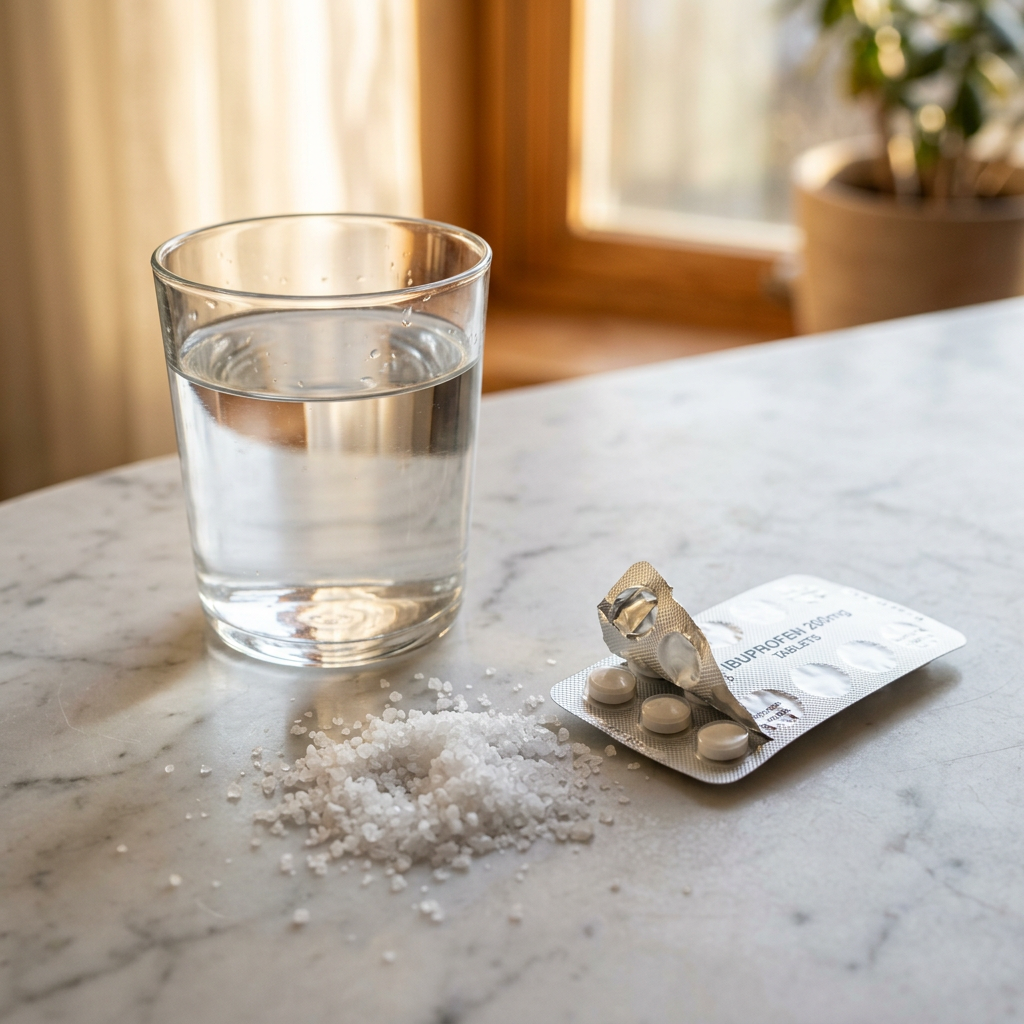
1. The Pill Trap: Overusing Over-the-Counter Painkillers
Got a headache? Take an ibuprofen. Sore after the gym? Pop a few Advil. Sound familiar?
NSAIDs (Non-Steroidal Anti-Inflammatory Drugs) like ibuprofen, naproxen, and aspirin are some of the most commonly used medications on the planet. They're also some of the most quietly destructive — especially for your kidney filtration system.
Here's how it works: your kidneys rely on specific hormones called prostaglandins to regulate blood flow. NSAIDs block prostaglandin production. Less blood flow to the kidneys = less filtration = slow, cumulative damage.
Long-term use of NSAIDs increases the risk of kidney cancer by 50% and causes clinically detectable renal abnormalities in 1% of users. (Source: Kidney Physicians of Indiana)
And "long-term" doesn't mean decades. Even months of regular use can begin to alter kidney function, particularly in people who are already dehydrated, elderly, or have underlying conditions like high blood pressure.
What to do instead: Use NSAIDs sparingly — for short durations only. Talk to your doctor about alternatives like acetaminophen (Tylenol) for chronic pain management, which is generally gentler on the kidneys when used correctly.
2. The Sodium Surge: Hidden Salt in the Modern Diet
A high sodium diet doesn't just raise your blood pressure — it directly punishes your kidneys.
When you consume excess sodium, your kidneys have to work overtime to filter it out. Over time, this increases pressure in the kidney's tiny filtering blood vessels (the glomeruli), causing them to stiffen and lose efficiency. The result? Gradual, irreversible kidney damage.
The American Heart Association recommends no more than 2,300 mg of sodium per day — about one teaspoon of salt. The average American consumes closer to 3,400 mg daily. That's nearly 50% more than the recommended ceiling.
And before you say "I don't add salt to my food," consider this:
| Food Item | Approximate Sodium Content |
|---|---|
| 1 slice of deli turkey | ~350 mg |
| 1 can of soup | ~800–1,200 mg |
| 1 fast-food burger | ~1,000–1,500 mg |
| 1 tablespoon of soy sauce | ~900 mg |
| 1 frozen pizza serving | ~700–1,100 mg |
| 1 packet of instant noodles | ~1,500–2,000 mg |
The salt hiding in your food is often far more than what you'd ever add yourself. Reading nutrition labels isn't optional if you're serious about CKD prevention — it's essential.
3. The Processed Food Peril: Phosphorus and Additives
Here's a stat that might make you put down that bag of chips:
People who consume a high amount of ultra-processed foods have a 24% higher risk of developing chronic kidney disease. (Source: National Kidney Foundation)
But why? It's not just the sodium. Ultra-processed foods are loaded with phosphate additives — artificial preservatives that are absorbed far more readily by your body than naturally occurring phosphorus in whole foods. Healthy kidneys can manage phosphorus load. Compromised ones cannot, and phosphorus buildup leads to dangerous mineral imbalances that further accelerate kidney deterioration.
Additionally, processed foods often combine high sodium, artificial sweeteners, trans fats, and chemical preservatives — a cocktail that creates systemic inflammation and metabolic strain that hits the kidneys hard.
Think about the everyday items in most pantries:
- Packaged snacks and crackers
- Canned meats and processed cheeses
- Flavored instant oatmeal
- Store-bought sauces and dressings
- Fast food and frozen meals
These aren't occasional treats for most people — they're dietary staples. And they're raising your renal acid load with every bite.
4. Chronic Dehydration: Why Your Filters Need Fluid
Your kidneys are, at their core, a filtration system. And like any filtration system — think of a pool filter or a water purifier — they need a constant, adequate flow of fluid to do their job.
When you're chronically dehydrated, urine becomes concentrated. Toxins and waste products that should be flushed out start to linger. Over time, this contributes to kidney stone prevention failures — meaning stones form more easily — and can even lead to recurrent urinary tract infections and, in severe cases, acute kidney injury that scars renal tissue permanently.
Most adults need between 2.5 to 3.5 liters of fluid daily, though individual needs vary based on activity level, climate, and body size. Coffee and alcohol don't count — in fact, they have a diuretic effect, pulling fluid out of your system.
Signs you might be chronically underhydrated:
- Dark yellow urine most of the day
- Infrequent urination (less than 4–6 times daily)
- Persistent fatigue or brain fog
- Headaches without obvious cause
A good rule of thumb: your urine should be a pale, straw-like yellow. If it's darker, drink more water — right now.
5. The Sugar Spike: How Sweetness Leads to Renal Strain
Diabetes is the #1 cause of CKD in the United States. But here's the thing — you don't need a full diabetes diagnosis for excess sugar to start damaging your kidneys.
High blood glucose levels force your kidneys to filter more blood than usual — a process called hyperfiltration. Over time, this overworks the glomeruli (the kidney's microscopic filters) and causes them to leak proteins into the urine. That protein leakage — called albuminuria — is one of the earliest detectable signs of kidney damage.
| Blood Sugar Level | Classification | Kidney Risk |
|---|---|---|
| Below 100 mg/dL (fasting) | Normal | Low |
| 100–125 mg/dL (fasting) | Prediabetes | Moderate — hyperfiltration begins |
| 126+ mg/dL (fasting) | Diabetes | High — accelerated glomerular damage |
| Prolonged high levels | Uncontrolled diabetes | Severe — diabetic nephropathy |
Regularly spiking your blood sugar — even through "natural" sources like fruit juice, honey, or white rice consumed in excess — keeps your kidneys working at unsustainable capacity. The damage accumulates slowly, quietly, and without any obvious kidney disease symptoms until function has already declined significantly.
6. Animal Protein Overload: The Acid Load Challenge
Protein is essential. Nobody's arguing that. But the source and quantity of your protein matters enormously for your kidneys.
When your body metabolizes animal protein (red meat, poultry, eggs, dairy), it produces acidic waste products. Your kidneys are responsible for excreting this acid. A high-protein, meat-heavy diet dramatically increases your renal acid load — essentially, the amount of acid your kidneys must neutralize and expel every day.
Over time, this sustained acid burden can:
- Accelerate the progression of existing CKD
- Promote the formation of uric acid kidney stones
- Increase urinary calcium excretion, weakening bones and stressing the kidneys simultaneously
The high-protein diet trend isn't inherently evil — but consuming more than 2g of protein per kilogram of body weight daily, especially from animal sources, is genuinely risky for long-term kidney health.
Smarter swaps to reduce renal acid load:
| High-Risk Protein Sources | Kidney-Friendlier Alternatives |
|---|---|
| Red meat (beef, pork, lamb) | Fatty fish (salmon, mackerel) |
| Processed meats (bacon, sausage) | Lentils and legumes |
| High-protein supplements (whey) | Plant-based protein powders |
| Full-fat dairy in excess | Small amounts of low-fat options |
Balance is the keyword here. A Mediterranean-style diet — rich in plants, moderate in animal protein, and low in processed foods — consistently outperforms high-meat diets in kidney health studies.
7. Sleep and the Renal Rhythm: Why Rest Matters for Kidneys
Here's something most people — even health-conscious ones — completely overlook: your kidneys have a circadian rhythm.
During deep sleep, kidney function naturally slows down, allowing the organ to repair, regulate fluid balance, and recalibrate blood pressure. When you consistently sleep fewer than 6–7 hours per night, you interrupt this restorative cycle.
Research published by the National Kidney Foundation has linked chronic sleep deprivation to accelerated kidney function decline. One study tracking over 4,000 women found that sleeping fewer than 6 hours per night was associated with a 19% faster decline in kidney function compared to those who slept 7–8 hours.
Poor sleep also:
- Raises blood pressure (a direct CKD risk factor)
- Disrupts glucose metabolism (increasing diabetes risk)
- Increases systemic inflammation (damaging renal blood vessels)
In other words, skimping on sleep doesn't just make you tired — it's quietly accelerating damage to your kidneys on multiple fronts simultaneously.
8. The Sedentary Danger: Why 'Sitting Is the New Smoking' for Kidneys
You've probably heard that sitting is the new smoking — and it's not just a catchy phrase. For your kidneys, physical inactivity is a significant, under-discussed risk factor.
A sedentary lifestyle contributes to:
- Obesity — excess body weight increases pressure on kidney blood vessels and is directly linked to CKD progression
- Hypertension — one of the top two causes of CKD
- Insulin resistance — feeding directly into diabetic kidney damage
- Reduced circulation — limiting oxygen-rich blood flow to the kidneys
According to the CDC, people with obesity have more than double the risk of developing kidney failure compared to those with a healthy weight.
Even modest exercise — 30 minutes of moderate activity five times per week — has been shown to meaningfully reduce blood pressure, improve insulin sensitivity, and slow the progression of early-stage kidney disease. You don't need to run marathons. A brisk daily walk genuinely makes a measurable difference.
9. Smoking and Alcohol: Toxins That Constrict Your Bloodstream
Let's talk about two substances that most people know are "bad" — but probably don't associate specifically with their kidneys.
Smoking constricts blood vessels throughout your entire body, including the renal arteries that supply your kidneys. Less blood flow = less filtration efficiency. Smokers also have significantly higher rates of proteinuria (protein in the urine — a hallmark of kidney damage) and are at double the risk of developing kidney failure compared to non-smokers. (American Kidney Fund)
Alcohol, particularly in heavy or binge-drinking quantities, acts as a diuretic while simultaneously disrupting the hormone systems (like ADH — antidiuretic hormone) that regulate kidney fluid balance. Chronic heavy drinking is directly associated with chronic kidney disease and liver-related kidney failure (hepatorenal syndrome).
The good news: both are modifiable habits. Quitting smoking — even after years of use — shows measurable improvement in kidney function within months. Reducing alcohol to within recommended limits (no more than 1 drink/day for women, 2 for men) gives your kidneys immediate relief.
10. Ignoring the Vitals: The Link Between BP, Glucose, and CKD
Here's perhaps the most critical Chronic Kidney Disease habit on this list — and the most fixable: ignoring your numbers.
High blood pressure and high blood glucose are the two biggest drivers of CKD worldwide. Together, they account for the majority of all kidney failure cases. And both conditions are largely asymptomatic in their early stages — meaning you can have dangerously high readings and feel completely fine.
Key kidney disease symptoms often don't appear until 60–70% of kidney function has already been lost. (Source: National Kidney Foundation)
This is why regular monitoring isn't optional — it's lifesaving. Knowing your blood pressure, fasting glucose, and having a simple urine albumin test done annually can catch the earliest signs of kidney damage years before symptoms appear.
If you have any of the following risk factors, speak to your doctor about kidney screening today:
- Diabetes or prediabetes
- High blood pressure
- Family history of kidney disease
- Obesity (BMI over 30)
- Age over 60
- History of frequent NSAID use
Taking Control: How to Screen and Protect Your Kidney Function
The good news — and this is genuinely good news — is that most of the Chronic Kidney Disease habits we've discussed are entirely within your control. You're not at the mercy of your genetics (though they matter). You're not powerless. You have leverage, right now, today.
Here's a simple action framework to start protecting your kidneys immediately:
🔬 Get Screened:
- eGFR (estimated Glomerular Filtration Rate) — measures how well your kidneys filter waste from your blood
- Urine albumin-to-creatinine ratio (UACR) — detects protein leakage before other symptoms appear
- Blood pressure check — aim for under 120/80 mmHg
- Fasting blood glucose — know your number, especially if you're over 40
🥗 Eat Smarter:
- Reduce processed food and sodium intake
- Shift toward plant-dominant proteins
- Stay hydrated with water (not energy drinks or juice)
- Limit alcohol to recommended levels
🏃 Move More:
- 30 minutes of brisk movement, 5 days a week
- Even light activity like walking or swimming counts
💊 Medicate Wisely:
- Use NSAIDs only when necessary and for the shortest duration possible
- Never exceed the recommended dose
- Discuss alternatives with your physician for chronic pain
😴 Prioritize Sleep:
- Aim for 7–9 hours of quality sleep each night
- Treat sleep apnea if diagnosed — it's a significant CKD risk factor
Your kidneys have been quietly working for you every single day of your life. They deserve a little more attention. A few intentional changes today can mean the difference between thriving health and a devastating diagnosis years down the road.
CKD prevention isn't about perfection — it's about awareness, small consistent choices, and catching problems before they become irreversible. Start with one habit from this list. Then another. Your kidneys — all 200 liters' worth of daily filtering they do — will thank you.
Sources
- American Kidney Fund — Kidney Disease Facts & Stats
- National Kidney Foundation — 10 Common Habits That May Harm Your Kidneys
- CDC — Chronic Kidney Disease Data & Research
- Science Alert / The Conversation — 7 Common Daily Habits That Could Be Damaging Your Kidneys
- Kidney Physicians of Indiana — Habits Which Lead to Kidney Disease
This article is for informational purposes only and does not constitute medical advice. Always consult a qualified healthcare provider for personal medical guidance.
Found this helpful? Share it with someone who needs to hear it. Follow Voxora for more research-backed health content written for real people.
Advertisement
Frequently Asked Questions
How many people are affected by chronic kidney disease without knowing it?
Approximately 37 million U.S. adults, or 1 in 7 people, have chronic kidney disease, but nearly 90% of those affected are unaware they have the condition because symptoms often do not appear until the kidneys are severely damaged.
Can taking common over-the-counter painkillers like ibuprofen damage my kidneys?
Yes, frequent or heavy use of Non-Steroidal Anti-Inflammatory Drugs (NSAIDs) such as ibuprofen or naproxen can reduce blood flow to the kidneys, and it is estimated that these medications contribute to 3% to 5% of all new cases of chronic kidney failure annually.
What is the relationship between high salt intake and kidney disease?
High sodium intake increases blood pressure, which is the second leading cause of kidney failure; the World Health Organization recommends consuming less than 5 grams of salt per day to help maintain healthy kidney function.
How does excessive sugar consumption silently damage the kidneys?
High sugar intake leads to obesity and type 2 diabetes, which is the leading cause of kidney failure, accounting for approximately 44% of all new cases in the United States.
Does chronic dehydration significantly increase the risk of kidney stones?
Yes, failing to drink enough water is a primary cause of kidney stones and can lead to acute kidney injury; maintaining a daily intake of approximately 2 to 3 liters of water helps the kidneys clear sodium, urea, and toxins from the body more effectively.
Sponsored
You Might Also Like


Advertisement
Comments (0)
Sign in to join the conversation
No comments yet. Be the first to share your thoughts!