Career in Medical Physics: Salary, Education, and Job Outlook
Discover the high-impact career of medical physics: a blend of advanced science and clinical care offering $200k+ salaries and high demand in 2024.

Discover the high-impact career of medical physics: a blend of advanced science and clinical care offering $200k+ salaries and high demand in 2024.
Trending Now
Advertisement
Frequently Asked Questions
What educational qualifications are needed for a career in medical physics?
To practice clinically, you must earn a Master's or PhD degree from a program accredited by the Commission on Accreditation of Medical Physics Education Programs (CAMPEP) and complete a 2-year clinical residency. Currently, there are about 60 CAMPEP-accredited graduate programs in North America.
What is the average salary for a medical physicist?
According to the American Association of Physicists in Medicine (AAPM) 2022 survey, the median salary for a board-certified medical physicist is approximately $210,000 per year, while entry-level physicists completing residency can expect to earn between $120,000 and $150,000.
What are the primary job responsibilities in this field?
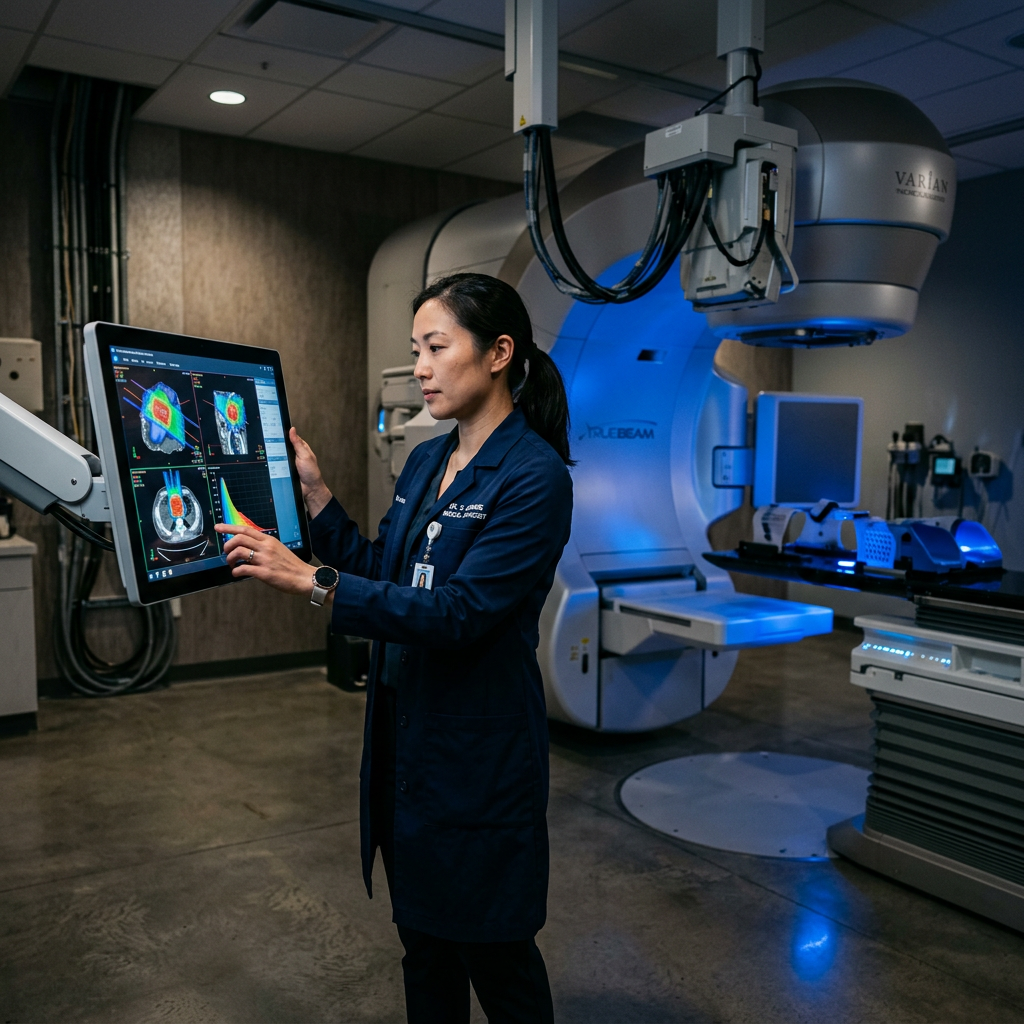
Medical physicists ensure the safety and effectiveness of radiation treatments and imaging. Approximately 75% work in radiation oncology, where they calibrate linear accelerators and design complex treatment plans for cancer patients to ensure high-dose radiation hits tumors accurately while sparing healthy tissue.
Is there a high demand for medical physicists in the workforce?
Yes, the job market is projected to grow by approximately 7% to 9% through 2030. This demand is driven by an aging global population and the increasing use of advanced technologies, such as proton therapy and PET/MRI imaging, which require specialized physics oversight.
How does the certification process work for clinical practice?
In the United States, medical physicists must be certified by the American Board of Radiology (ABR). This involves a multi-year process including Part 1 (written general and clinical physics), Part 2 (specialized written exam), and Part 3 (an intensive oral examination) following the completion of a residency.
Sponsored
You Might Also Like



Advertisement
Comments (0)
Sign in to join the conversation
No comments yet. Be the first to share your thoughts!