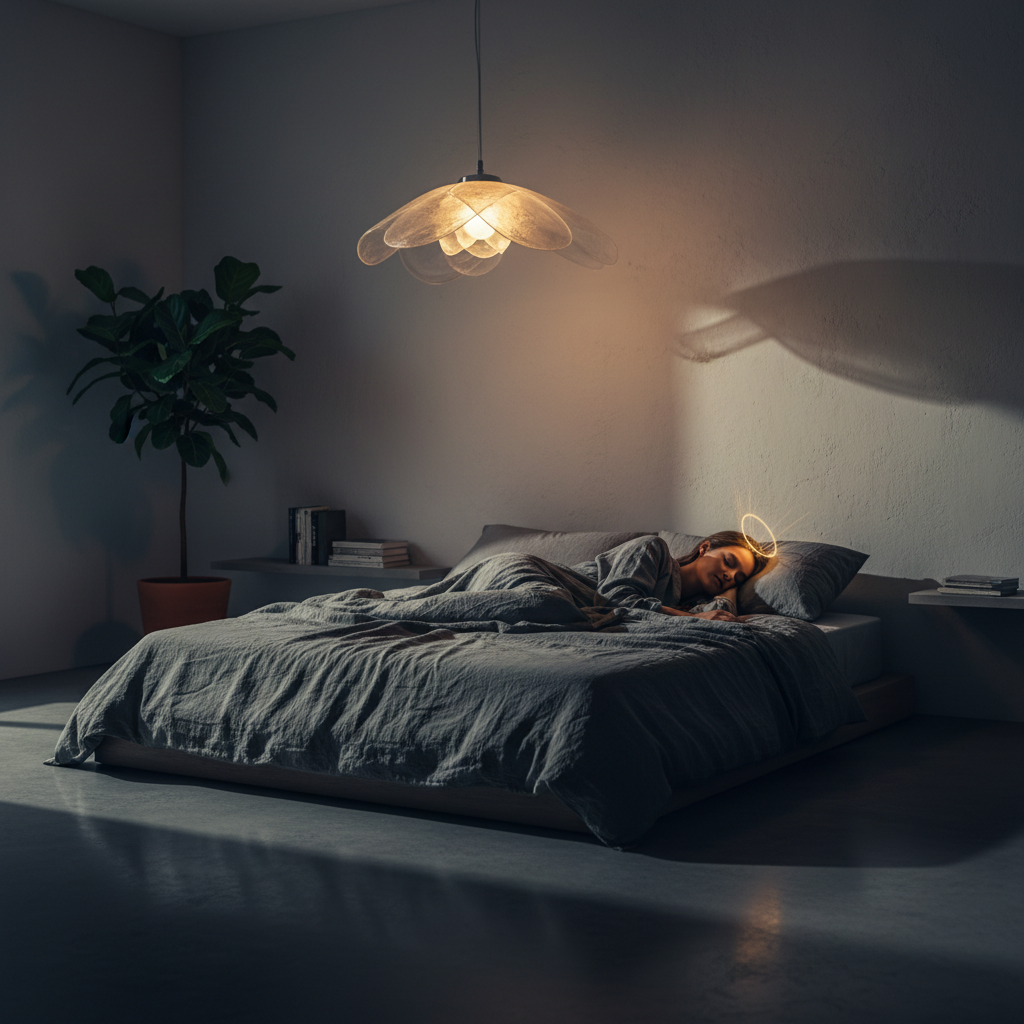
Why Do We Sleep? The Surprising Science of Our Nightly Reset
Why is sleep essential? From brain detoxification to memory storage, explore the science-backed reasons why our bodies demand daily rest to function.

Why is sleep essential? From brain detoxification to memory storage, explore the science-backed reasons why our bodies demand daily rest to function.
Trending Now
Why Do We Sleep? The Surprising Science of Our Nightly Reset
Key Takeaways
- Sleep is a biological necessity — not a luxury — driven by two powerful systems: your circadian rhythm and adenosine sleep drive
- Your brain literally cleans itself while you sleep through a network called the glymphatic system
- Sleep is essential for memory consolidation, hormone regulation, immune function, and metabolic health
- 1 in 3 American adults aren't getting enough sleep, costing the U.S. economy $411 billion annually
- Small, consistent changes to your sleep hygiene can dramatically improve the quality and quantity of your rest
Think about the last time you pulled an all-nighter. Maybe it was a work deadline, a Netflix binge that got way out of hand, or a newborn who had very different ideas about schedules. You know exactly how it felt the next morning — foggy, irritable, slow, and reaching for your third cup of coffee before 9 a.m.
But here's the question we rarely stop to actually ask: why do we sleep in the first place? Why does every single animal on the planet — from fruit flies to blue whales — spend a chunk of their existence in a state of unconsciousness? From an evolutionary standpoint, sleep seems almost reckless. You're lying still, unaware of your surroundings, and completely vulnerable to predators. And yet, evolution kept it.
That tells you something powerful: sleep must be doing something extraordinary.
It turns out, it's doing about a dozen extraordinary things simultaneously. Let's dig in.
1. The Biological Necessity: Why Sleep Isn't Optional
Here's a hard truth most of us have been avoiding: you cannot hack your way out of sleep. Despite what hustle culture might suggest, sleep is not a weakness or a waste of time. It is, at its core, a non-negotiable biological function — as essential as eating or breathing.
The National Institute of Neurological Disorders and Stroke (NINDS) describes sleep as an active, highly organized process during which the brain cycles through distinct stages — non-REM sleep (with its light and deep sleep phases) and REM (rapid eye movement) sleep — each serving specific, critical roles in physical and mental restoration.
📊 According to the CDC, 1 in 3 adults in the United States reported not getting enough rest or sleep every day.
That's roughly 70–80 million people walking around chronically under-slept, thinking it's just a minor inconvenience. Spoiler: it's not. Total or prolonged sleep deprivation in animal studies has proven fatal, which tells researchers that whatever sleep is doing, the body considers it absolutely essential to survival.
2. The Brain's 'Dishwasher': How the Glymphatic System Cleans Your Mind
This one might genuinely change the way you think about why do we sleep — and it's one of the most exciting neuroscience discoveries of the last decade.
In 2013, researchers at the University of Rochester Medical Center identified the glymphatic system — a network of channels surrounding the brain's blood vessels that acts like a waste-clearance plumbing system. During sleep (particularly deep, non-REM sleep), the brain's cells actually shrink by up to 60%, allowing cerebrospinal fluid to flush through these channels and wash away toxic metabolic waste products.
And what kind of waste are we talking about? Most notably, beta-amyloid and tau proteins — the exact plaques and tangles associated with Alzheimer's disease.
Think of it this way: your brain is running complex operations all day long, generating cellular waste as a byproduct. Sleep is when the dishwasher runs. Skip sleep, and those dirty dishes just keep piling up.
💡 Key Insight: The glymphatic system is nearly 10 times more active during sleep than during wakefulness, according to University of Rochester research. Cutting sleep short means cutting short this critical cleaning cycle.
This is a compelling reason why chronic poor sleep is increasingly linked to long-term neurodegenerative risk. It's not just about feeling groggy tomorrow — it's about protecting your brain for decades to come.
3. The Architect of Memory: How Sleep Stores and Files Information
Ever studied something the night before an exam and noticed it felt more solid in your mind the next morning? That's not a coincidence. That's memory consolidation at work — and sleep is the architect behind it.
During sleep, your brain is essentially replaying, sorting, and filing the day's experiences. The hippocampus (your brain's short-term storage center) transfers newly learned information to the neocortex for long-term storage. This process happens largely during both deep non-REM sleep and REM sleep, though they each handle different types of memory.
| Sleep Stage | Memory Type Processed | Key Role |
|---|---|---|
| Deep Non-REM (Slow-wave) | Declarative memory (facts, events) | Transfers from hippocampus to cortex |
| REM Sleep | Procedural & emotional memory | Consolidates skills, processes emotions |
| Light Non-REM (Stage 2) | Motor skills | Strengthens learned physical sequences |
According to NINDS, sleep doesn't just passively store memories — it actively strengthens neural connections that form memories while simultaneously pruning away the ones that aren't important, making your memory more efficient overall.
This is why cramming all night before a big presentation might actually backfire. Your brain needs sleep to lock in what you've learned.
4. Physical Restoration: Peak Growth Hormone and Tissue Repair
Sleep isn't just a brain thing. Your entire body uses the downtime to run critical maintenance.
During deep non-REM sleep, the pituitary gland releases the majority of your daily human growth hormone (HGH). This isn't just relevant for bodybuilders — HGH is responsible for cellular regeneration, tissue repair, bone density maintenance, and muscle recovery in people of all ages and activity levels.
Your immune system is also hard at work. Infection-fighting cytokines are produced and released during sleep. Your body is literally manufacturing its defenses while you snooze.
🔬 Research Note: CDC-cited studies show chronic sleep deficiency can reduce immune response, making individuals up to 40% more susceptible to common respiratory infections like the cold or flu.
That explains something many of us have noticed anecdotally — when we're burning the candle at both ends, we always seem to get sick. It's not just stress. Your immune system is literally running on reduced capacity.
5. The Metabolic Link: Sleep's Role in Weight and Blood Sugar Control
If you've ever noticed that you're ravenous the day after a poor night's sleep, there's a very real biological reason for it. Sleep has a direct, measurable impact on the hormones that regulate hunger and metabolism.
Leptin (the "I'm full" hormone) drops when you're sleep-deprived. Ghrelin (the "feed me" hormone) spikes. Your brain, now running on fumes and looking for quick energy, starts craving high-calorie, high-sugar foods. It's not a lack of willpower — it's biochemistry.
The metabolic consequences go even deeper than that:
📊 A 2025 study published in Nature Metabolism found that adults sleeping under 6 hours nightly have a 55% higher incidence of insulin resistance compared to those sleeping 7–9 hours.
That's a staggering number. Insulin resistance is the precursor to Type 2 diabetes, cardiovascular disease, and a cascade of metabolic disorders. And all because of not sleeping enough.
| Sleep Duration | Metabolic Risk Level | Associated Effects |
|---|---|---|
| ≥ 7–9 hours | Optimal | Balanced hunger hormones, healthy insulin sensitivity |
| 6–7 hours | Moderate risk | Mild hormonal disruption, increased cravings |
| < 6 hours | High risk | 55% higher insulin resistance, elevated cortisol, increased appetite |
| < 5 hours (chronic) | Severe risk | Significant obesity, diabetes, cardiovascular risk elevation |
6. The Two Pillars of Sleep: Circadian Rhythms vs. Adenosine Drive
So what actually makes you sleepy? The answer is surprisingly elegant — it's a two-system orchestra playing in careful sync.
Pillar 1: Your Circadian Rhythm
Your circadian rhythm is your body's internal 24-hour clock, driven primarily by light exposure and regulated by a tiny region of the brain called the suprachiasmatic nucleus (SCN). As natural light fades in the evening, your brain's pineal gland begins releasing melatonin — the hormone that signals to your body: it's time to wind down.
This is why the time zone you're in matters, why jet lag is so disorienting, and why your body clock can drift if you keep irregular sleep hours. Your circadian rhythm wants consistency.
Pillar 2: Adenosine Sleep Drive (Sleep Pressure)
The second system operates on a completely different principle. From the moment you wake up, your brain starts accumulating a chemical called adenosine — a natural byproduct of neural activity. The longer you're awake, the more adenosine builds up, and the stronger the urge to sleep becomes. This is called sleep drive or sleep pressure.
Here's the fun (and sneaky) part: caffeine works by blocking adenosine receptors — it doesn't eliminate the adenosine, it just temporarily hides it. When the caffeine wears off? That adenosine comes crashing in. That's the 3 p.m. slump in a nutshell.
When both systems align — circadian rhythm saying "it's nighttime" and sleep drive saying "you've been awake long enough" — that's when sleep comes easily and deeply.
7. Mental Health and Emotional Resilience: Sleeping Away the Stress
Ask any therapist, and they'll tell you: the first question they ask a struggling patient is often about their sleep. That's not a coincidence.
Sleep and mental health are so deeply intertwined that it can be hard to tell which one is the chicken and which one is the egg. Poor sleep worsens anxiety and depression. Anxiety and depression worsen sleep. But emerging research suggests the relationship isn't perfectly symmetrical — sleep deprivation tends to amplify emotional reactivity in a very measurable way.
REM sleep, in particular, is thought to function as a kind of overnight emotional therapy. During this stage, the brain reprocesses emotionally charged memories in a neurochemical environment that is notably low in norepinephrine (a stress-related neurotransmitter). This may allow the brain to process difficult experiences without the full emotional sting — stripping the raw edge from painful memories over time.
It's essentially your brain's built-in trauma processing system. And when you cut REM sleep short — as many people do by waking too early with an alarm — you disrupt that process.
💬 "Sleep is the single most effective thing we can do to reset our brain and body health each day." — Dr. Matthew Walker, neuroscientist and author of Why We Sleep
8. The Invisible Cost: Economic and Safety Risks of Sleep Deprivation
The consequences of widespread poor sleep aren't just personal — they're societal.
💰 The RAND Corporation estimates that insufficient sleep costs the U.S. economy approximately $411 billion annually due to lost productivity and healthcare expenses.
That's not a rounding error. That's a national crisis hiding in plain sight.
Beyond productivity, sleep deprivation effects on safety are just as alarming. Fatigued driving impairs reaction time comparably to drunk driving. Some of history's most devastating industrial disasters — including the Chernobyl nuclear accident and the Challenger Space Shuttle tragedy — have been linked in part to severe sleep deprivation among decision-makers.
At the individual level, people who sleep less than 6 hours are significantly more likely to be involved in workplace accidents, make medical errors (a major concern in the notoriously sleep-deprived healthcare industry), and struggle with sustained attention and decision-making.
9. Modern Sleep Killers: Blue Light, Stress, and the Always-On Culture
Understanding why do we sleep is one thing — understanding why so many of us are failing at it is another.
The modern world is remarkably good at sabotaging our sleep biology. Here's what's working against us:
📱 Blue Light Exposure Screens emit blue-wavelength light that closely mimics natural daylight. When you scroll through your phone at 10 p.m., your brain's SCN interprets it as midday sun and suppresses melatonin production. Research suggests evening screen exposure can delay melatonin release by 90 minutes to 3 hours.
😰 Chronic Stress and Cortisol Cortisol, your primary stress hormone, is supposed to be high in the morning (to wake you up) and low at night. But chronic psychological stress keeps cortisol elevated into the evening, directly competing with the sleep-onset process.
🌡️ Temperature and Environment Your body needs to drop its core temperature by about 1–2°F to fall asleep. Warm rooms, heavy bedding, or working out too late can interfere with this cooling process.
⏰ Social Jet Lag Many people sleep differently on weekdays versus weekends, creating a cyclical disruption of their circadian rhythm — known as social jet lag — that mimics the effects of regularly crossing time zones.
| Modern Sleep Disruptor | Primary Mechanism Affected | Practical Impact |
|---|---|---|
| Evening screen use | Melatonin suppression | Delayed sleep onset, lighter sleep |
| Chronic stress | Elevated cortisol | Difficulty falling/staying asleep |
| Irregular schedule | Circadian rhythm disruption | Poor sleep quality, daytime fatigue |
| Caffeine (late day) | Adenosine blockade | Reduced sleep pressure at bedtime |
| Alcohol | REM sleep suppression | Fragmented, non-restorative sleep |
10. Reclaiming Your Rest: Science-Backed Tips for Better Sleep Quality
The good news? Your sleep hygiene is largely within your control, and even modest improvements can yield significant benefits quickly. Here's what the science actually supports:
🕐 Keep a Consistent Schedule Go to bed and wake up at the same time every day — even on weekends. This is the single most powerful thing you can do to stabilize your circadian rhythm. Your brain thrives on predictability.
📵 Create a Tech Sunset Put screens away at least 60–90 minutes before bed. If that's truly impossible, use night mode or blue-light-filtering glasses — though nothing beats actually putting the phone down.
🌡️ Cool Your Room The sweet spot for sleep temperature, according to sleep researchers, is between 60–67°F (15–19°C). A cooler room actively supports the body temperature drop needed for quality sleep.
☀️ Get Morning Light Expose yourself to natural sunlight within 30–60 minutes of waking. This anchors your circadian rhythm for the day and helps ensure melatonin releases on schedule that evening.
🧘 Wind Down Intentionally Your nervous system needs a transition zone between "active day" and "sleep mode." A consistent pre-bed routine — light stretching, reading a physical book, journaling, or a warm bath — signals to your brain that it's time to shift gears.
☕ Watch the Caffeine Cutoff Caffeine has a half-life of about 5–7 hours in most people. That afternoon latte at 3 p.m. still has half its potency in your system at 8 or 9 p.m. Consider cutting off caffeine by early afternoon.
🍷 Rethink the Nightcap Alcohol might help you fall asleep faster, but it significantly disrupts REM sleep in the second half of the night — robbing you of the emotionally restorative and memory-consolidating stages you need most.
Conclusion
So — why do we sleep? The short answer: because virtually everything that matters about being a healthy, functioning human being depends on it.
Sleep is when your brain washes away the toxic waste that could lead to neurodegeneration. It's when your memories get filed, your hormones reset, your immune defenses are built, your emotional resilience is restored, and your metabolism gets recalibrated. It is not passive. It is not lazy. It is, arguably, the most productive thing your body does in a 24-hour period.
In a culture that too often treats sleep as optional — a luxury to be sacrificed for productivity — the science tells a very different story. The why do we sleep question doesn't have a simple answer, because sleep is doing everything at once.
The best performance enhancer, the most effective stress-management tool, the cheapest longevity intervention, and the most powerful brain-health strategy available to you is free, requires no equipment, and is available every single night.
The only question is: are you going to let yourself use it?
Sources
- Centers for Disease Control and Prevention (CDC) — Sleep and Sleep Disorders
- RAND Corporation — Why Sleep Matters: Quantifying the Economic Costs of Insufficient Sleep
- National Institute of Neurological Disorders and Stroke (NINDS) — Brain Basics: Understanding Sleep
- University of Rochester Medical Center — Why Is Sleep Important? Your Brain Depends on It
- Nature Metabolism (2025) — Sleep Duration and Insulin Resistance
- American Academy of Sleep Medicine (AASM) — CDC: 1 in 3 Adults Not Getting Enough Sleep
Published on Voxora — Premium Content for Curious Minds
Advertisement
Frequently Asked Questions
How many hours of sleep do adults actually need each night?
According to the CDC, adults aged 18 to 60 should aim for 7 or more hours of sleep per night to maintain optimal cognitive and physical health.
What is the primary biological reason for sleep?
Sleep allows the brain's glymphatic system to remove metabolic waste, including beta-amyloid proteins, which can accumulate and are linked to neurodegenerative diseases.
How does sleep affect memory and learning?
Sleep is crucial for memory consolidation; research suggests that getting a full night's sleep can improve the ability to learn and retain new information by up to 40%.
What percentage of our sleep is spent dreaming?
Humans spend approximately 20% to 25% of their total sleep time in the REM (Rapid Eye Movement) stage, which is the period when the most vivid and frequent dreaming occurs.
What are the immediate physical consequences of missing one night of sleep?
Missing just one night of sleep can lead to cognitive impairment equivalent to a blood alcohol concentration of 0.10%, which is higher than the legal driving limit in many countries.
Sponsored
Curious about technology, mathematics, education, and growth, I write as a learner exploring ideas in innovation, problem-solving, culture, and the questions shaping our world.
You Might Also Like


Advertisement
Comments (0)
Sign in to join the conversation
No comments yet. Be the first to share your thoughts!